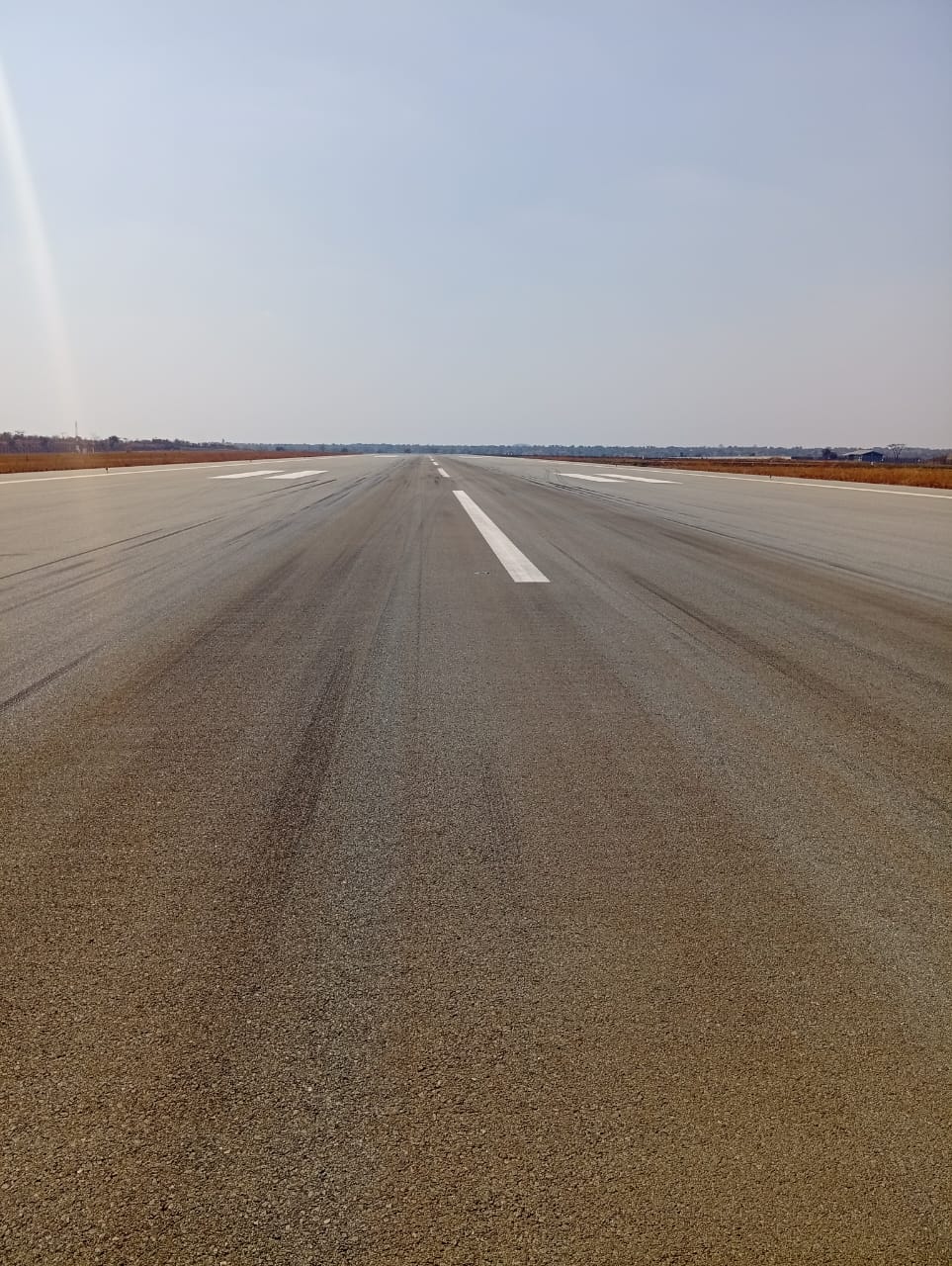
Roadgrip Africa has recently completed a major rubber removal programme in Zambia, Africa, treating approximately 20,000m² of runway as part of our ongoing work across the continent.
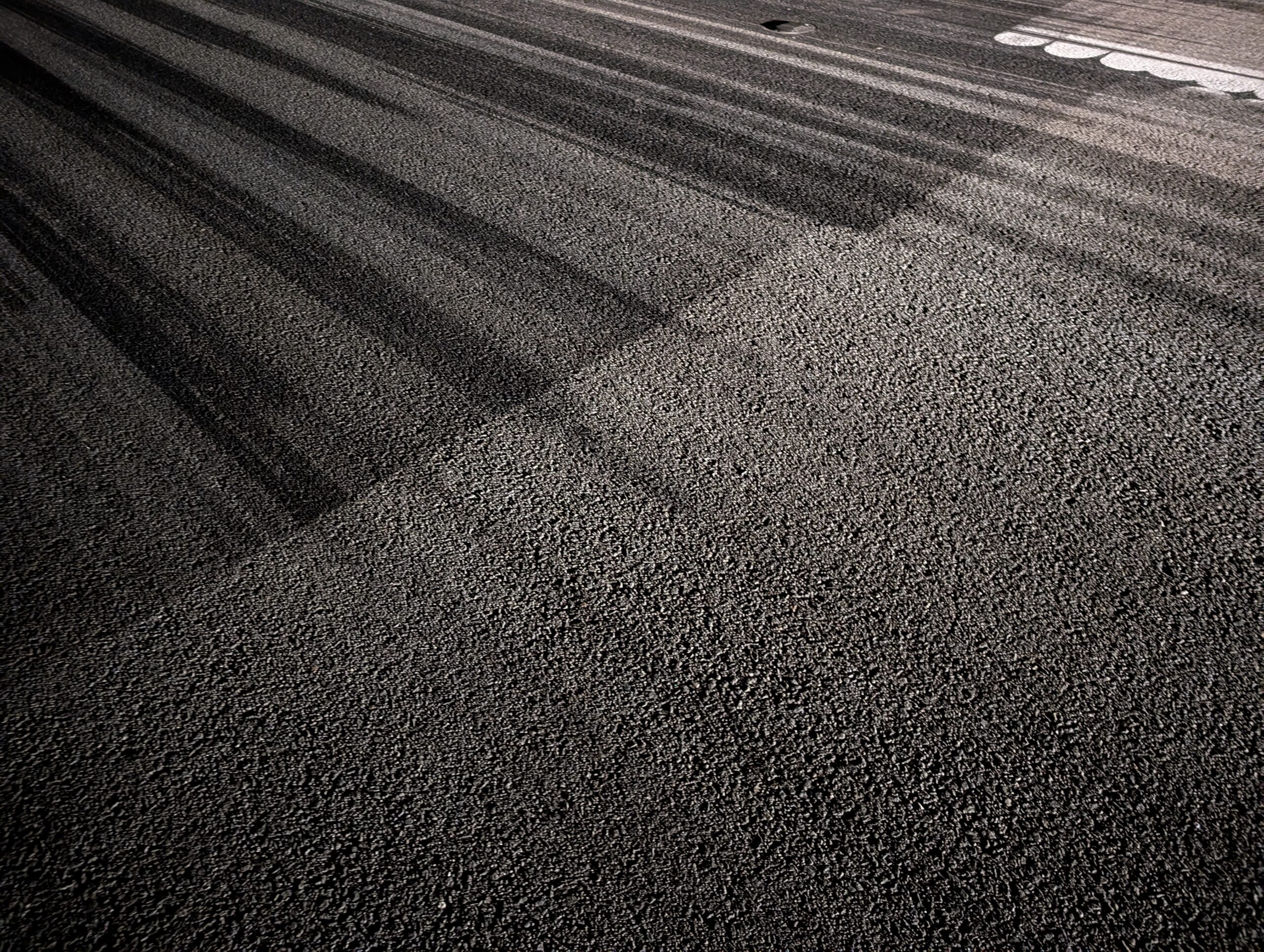
Every aircraft landing leaves its mark on a runway. In the touchdown zone, tyres go from stationary to high rotational speeds almost instantaneously, generating heat and friction that leave rubber deposits bonded to the pavement.
Over time, those deposits build up, and removing them is an important part of maintaining runway surface performance.
Runway surface texture plays an important role in providing friction and allowing water to escape from beneath aircraft tyres. ICAO guidance identifies rubber deposits as one of the contaminants that can affect runway surface friction characteristics and recognises the need for their periodic removal to maintain safety standards.
The problem can become particularly significant in wet conditions. If the pavement texture becomes increasingly filled with rubber, water has fewer paths through which to escape, potentially affecting tyre-to-pavement contact and braking performance.
The dark rubber build-up also causes issues with visibility of markings for landing aircraft and their pilots.
Africa presents airport operators with an enormous variety of operating environments.
Across the continent, runways are exposed to everything from intense tropical rainfall to high temperatures, strong UV exposure, dust and substantial seasonal variations.
Airports are vital components of infrastructure throughout Africa. They connect communities and businesses across huge distances, provide links to international markets and tourism, and in more remote regions can offer essential connections that cannot easily be replicated by road or rail.
Keeping runway infrastructure properly maintained is critical.
For an operational airport, preventative maintenance can help identify and address deterioration before it develops into a more significant intervention.
Rubber removal forms one part of that wider maintenance cycle alongside friction monitoring, runway inspections, marking, pavement repairs, grooving and other specialist surface treatments.
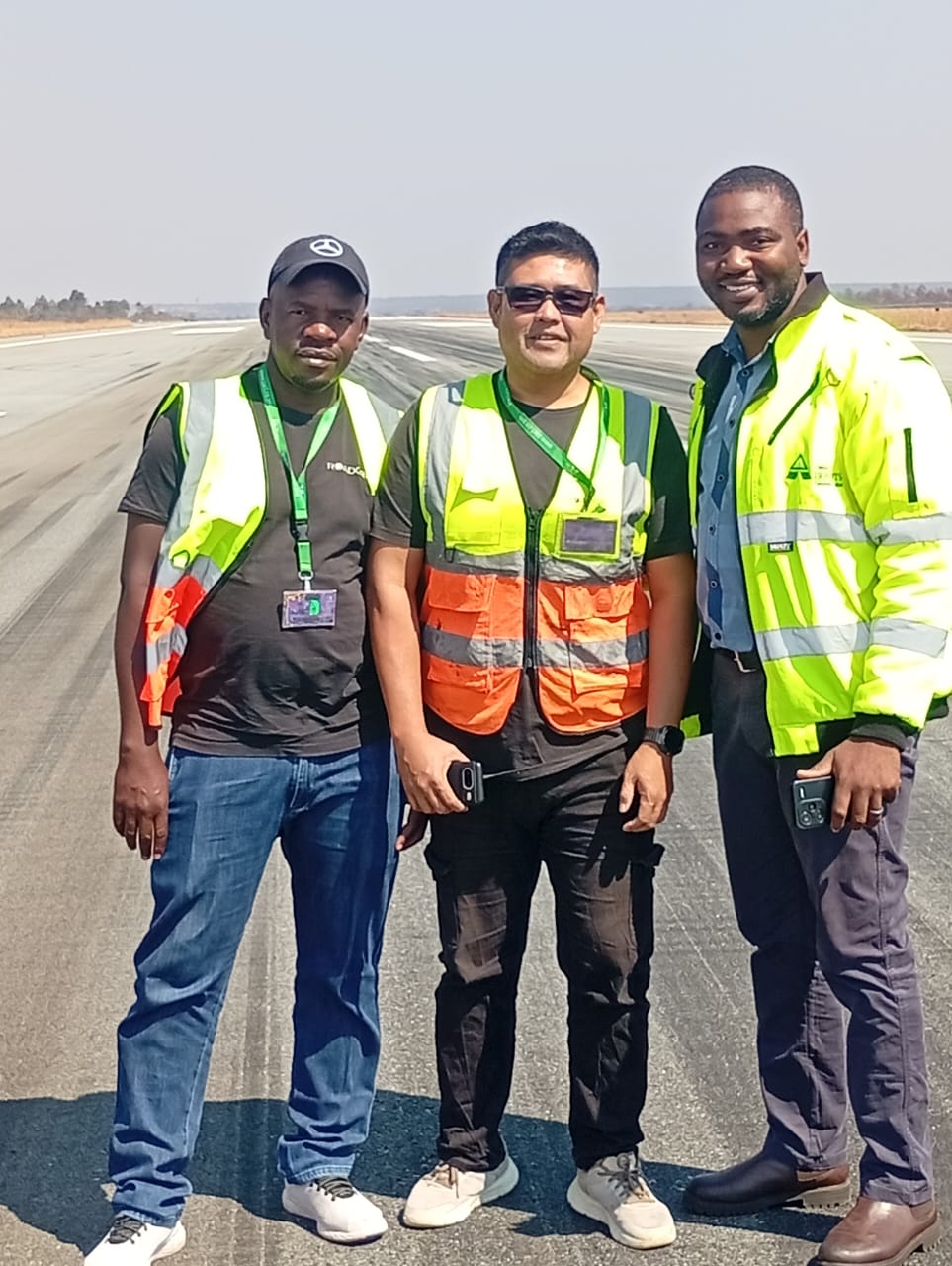
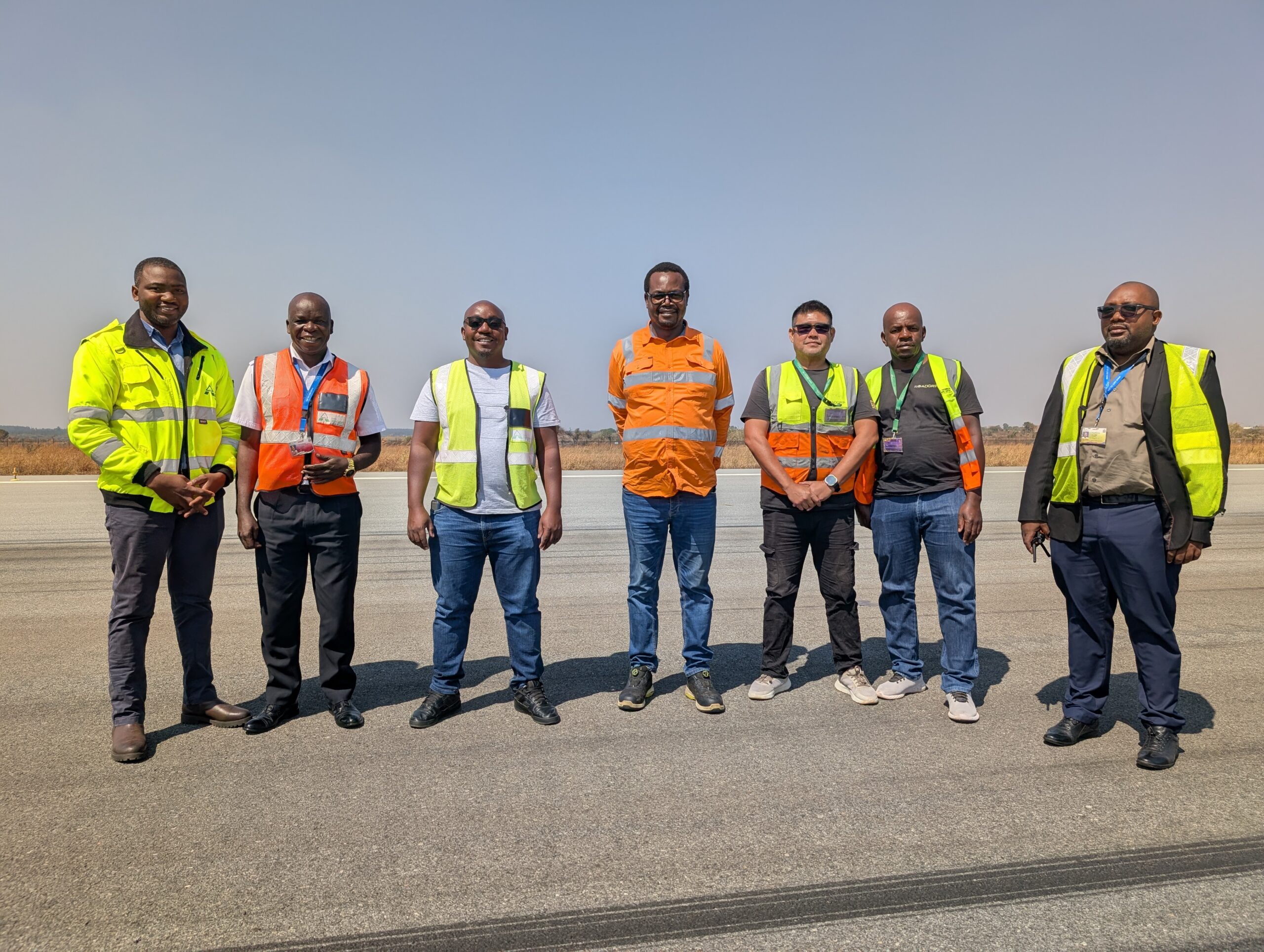
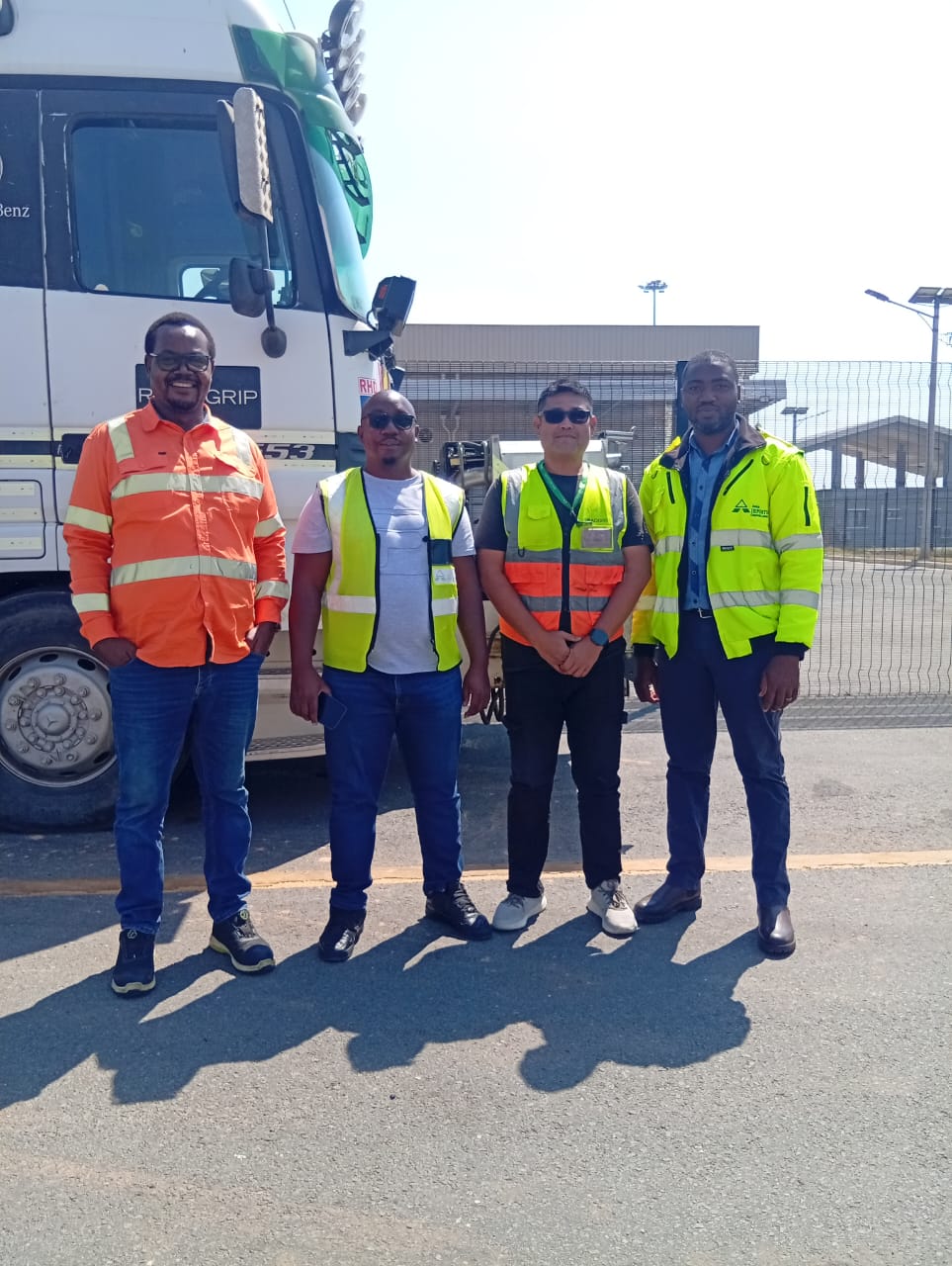
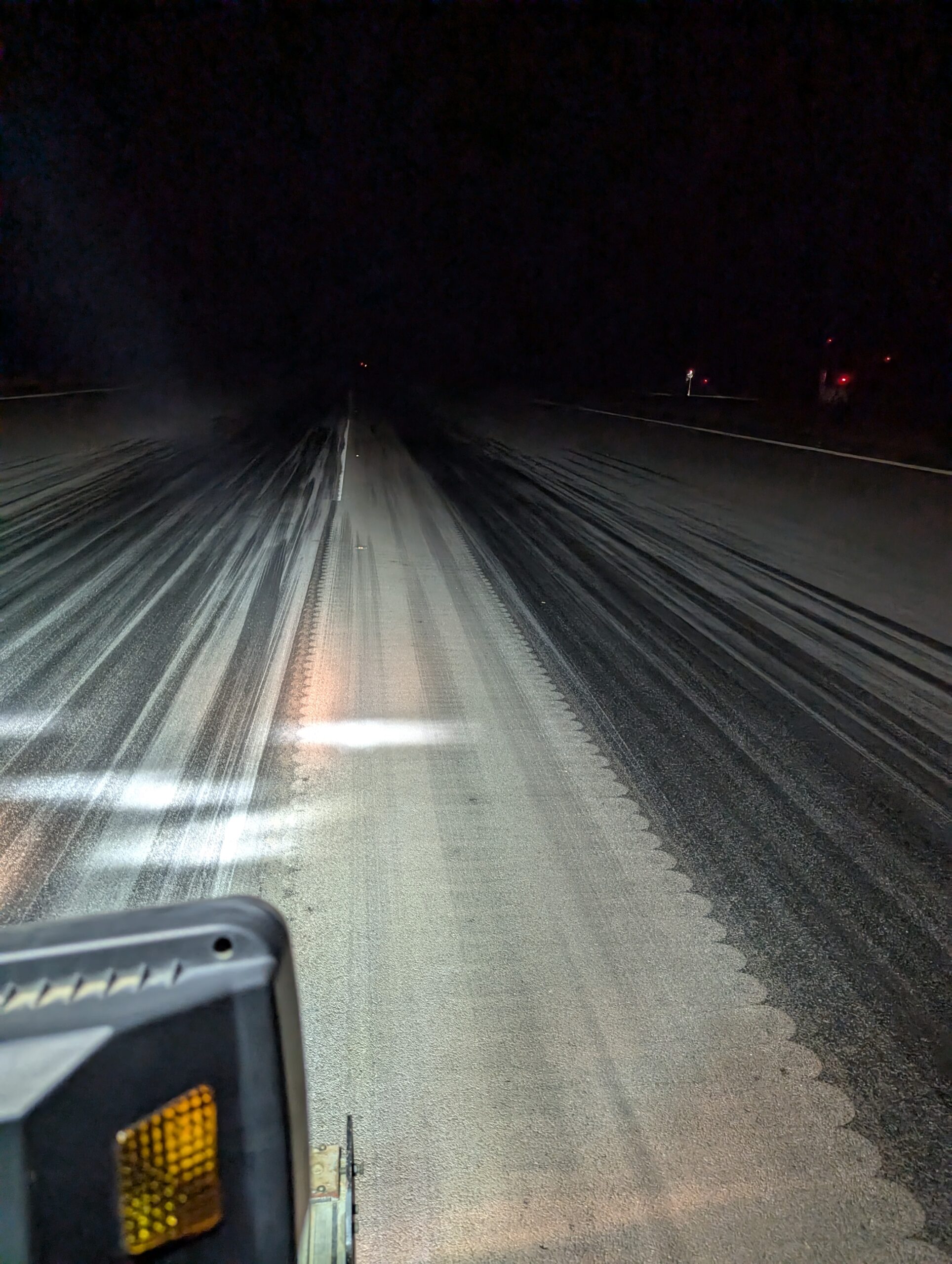
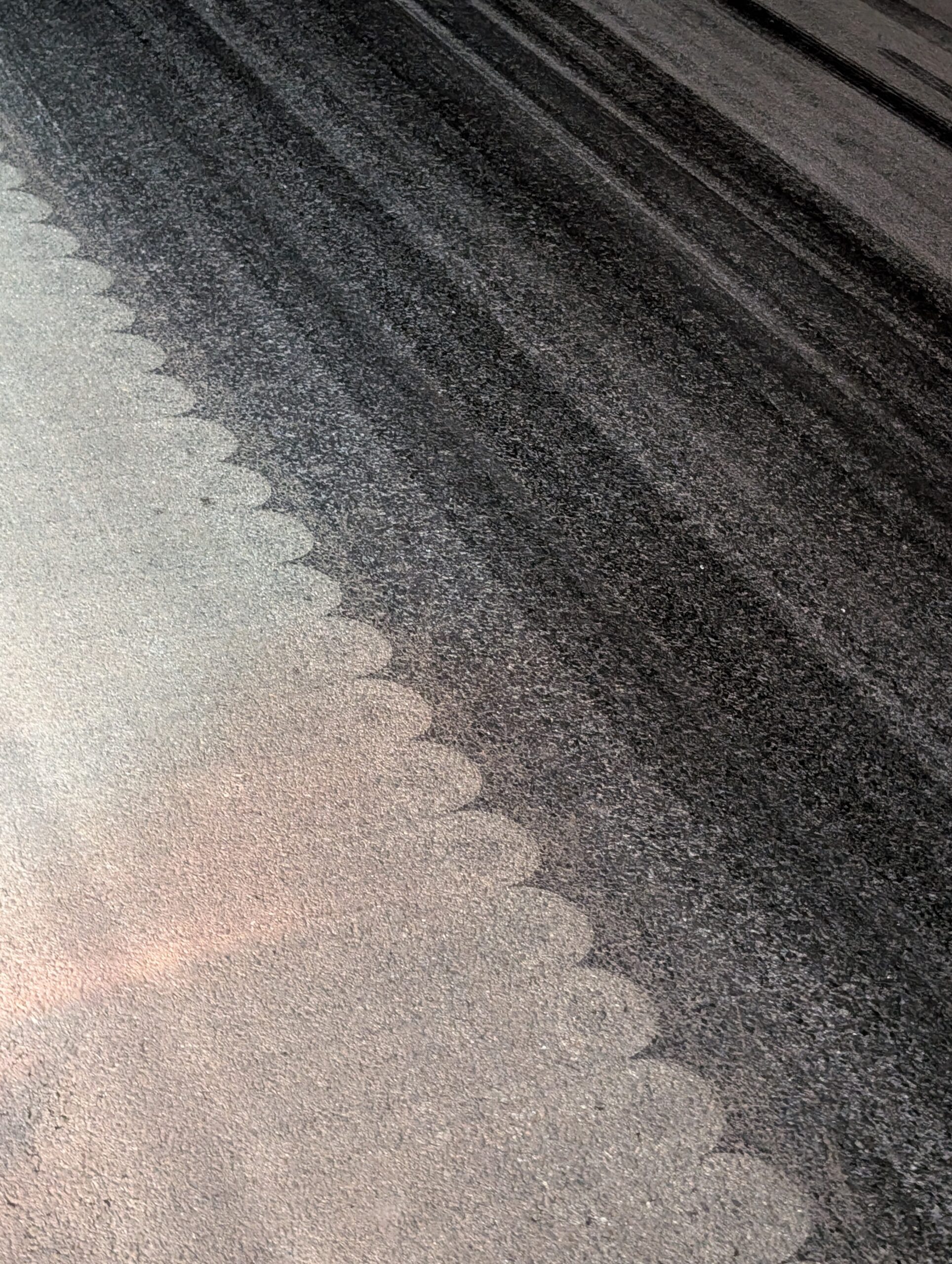
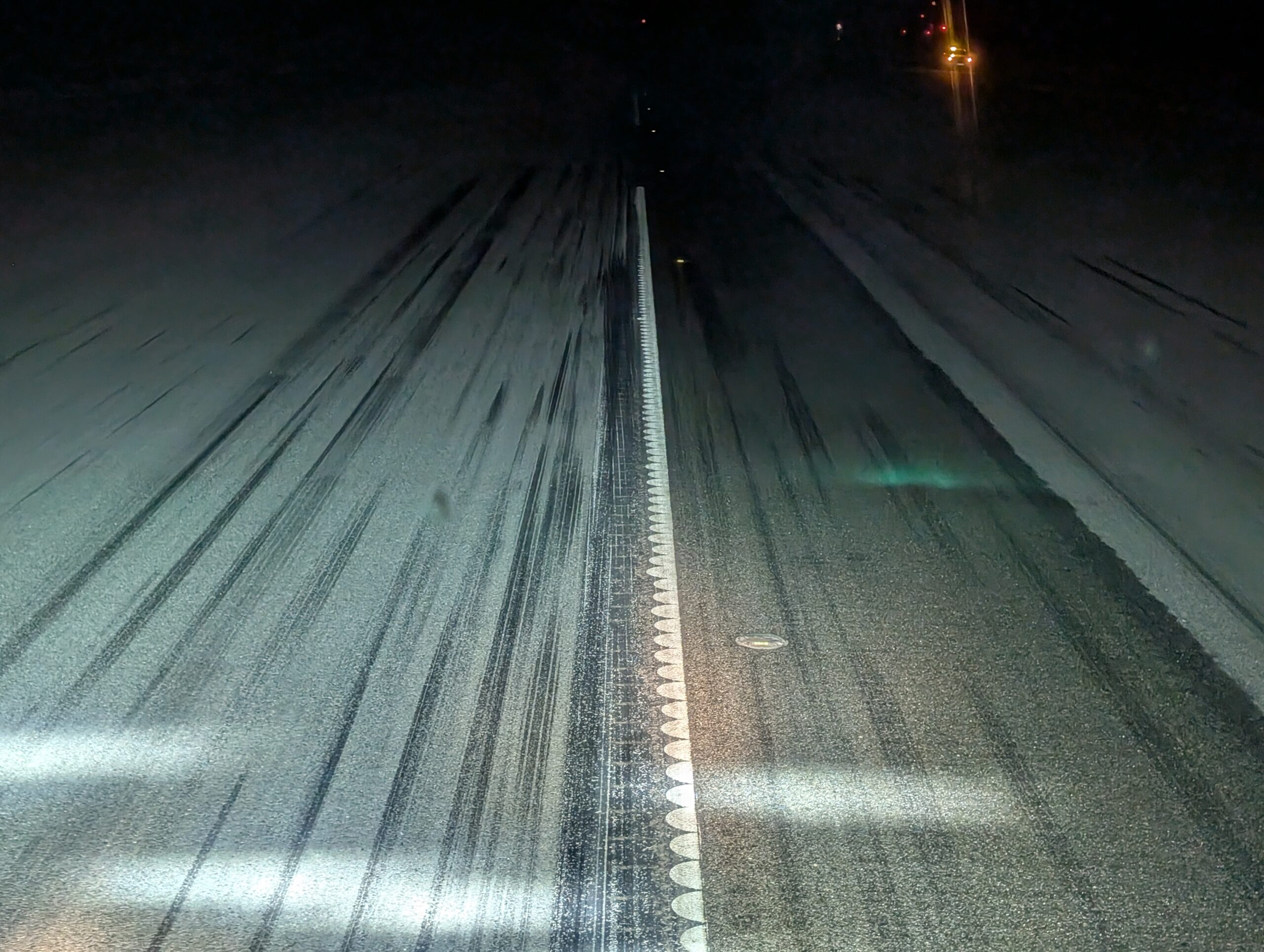
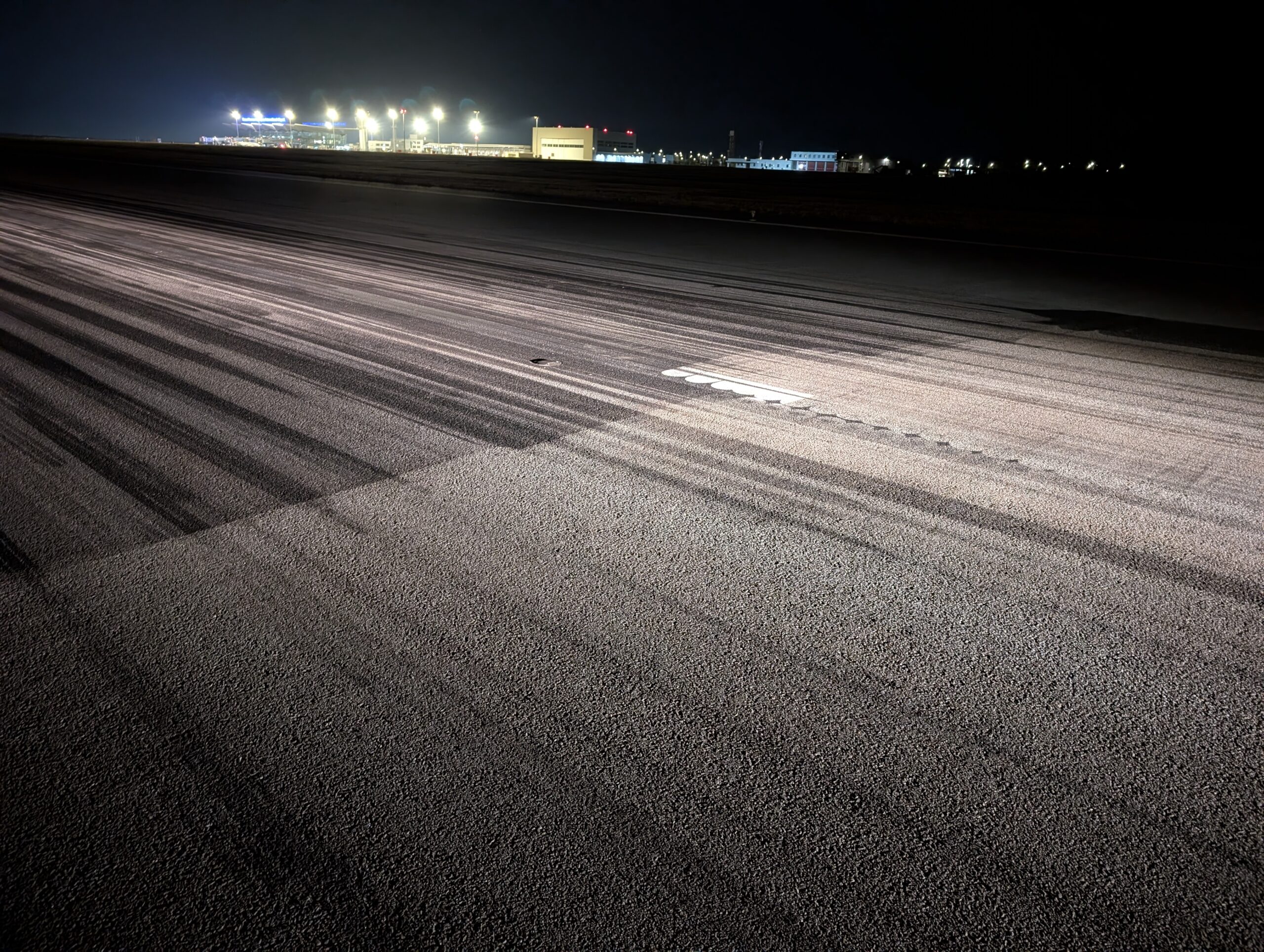
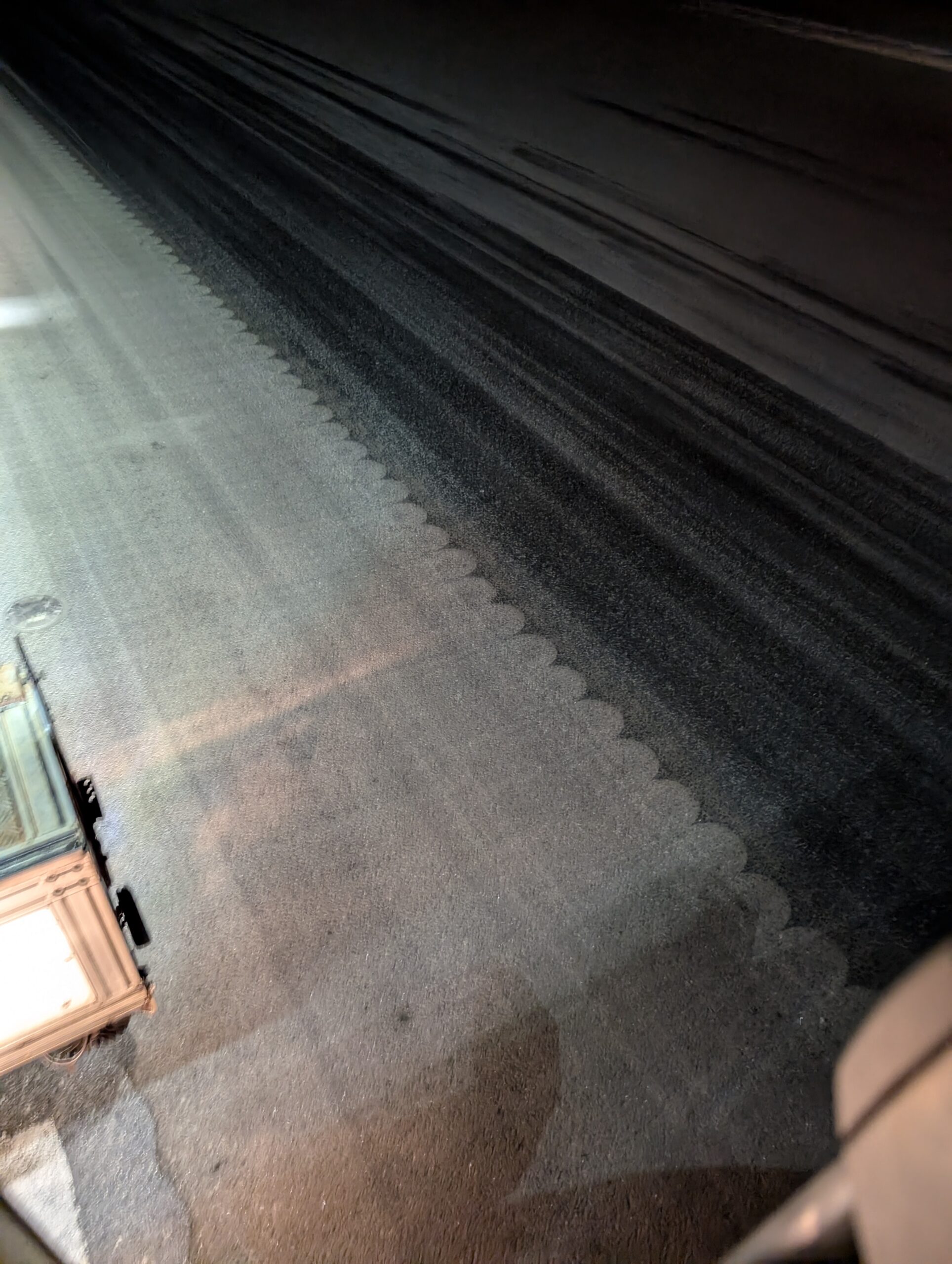
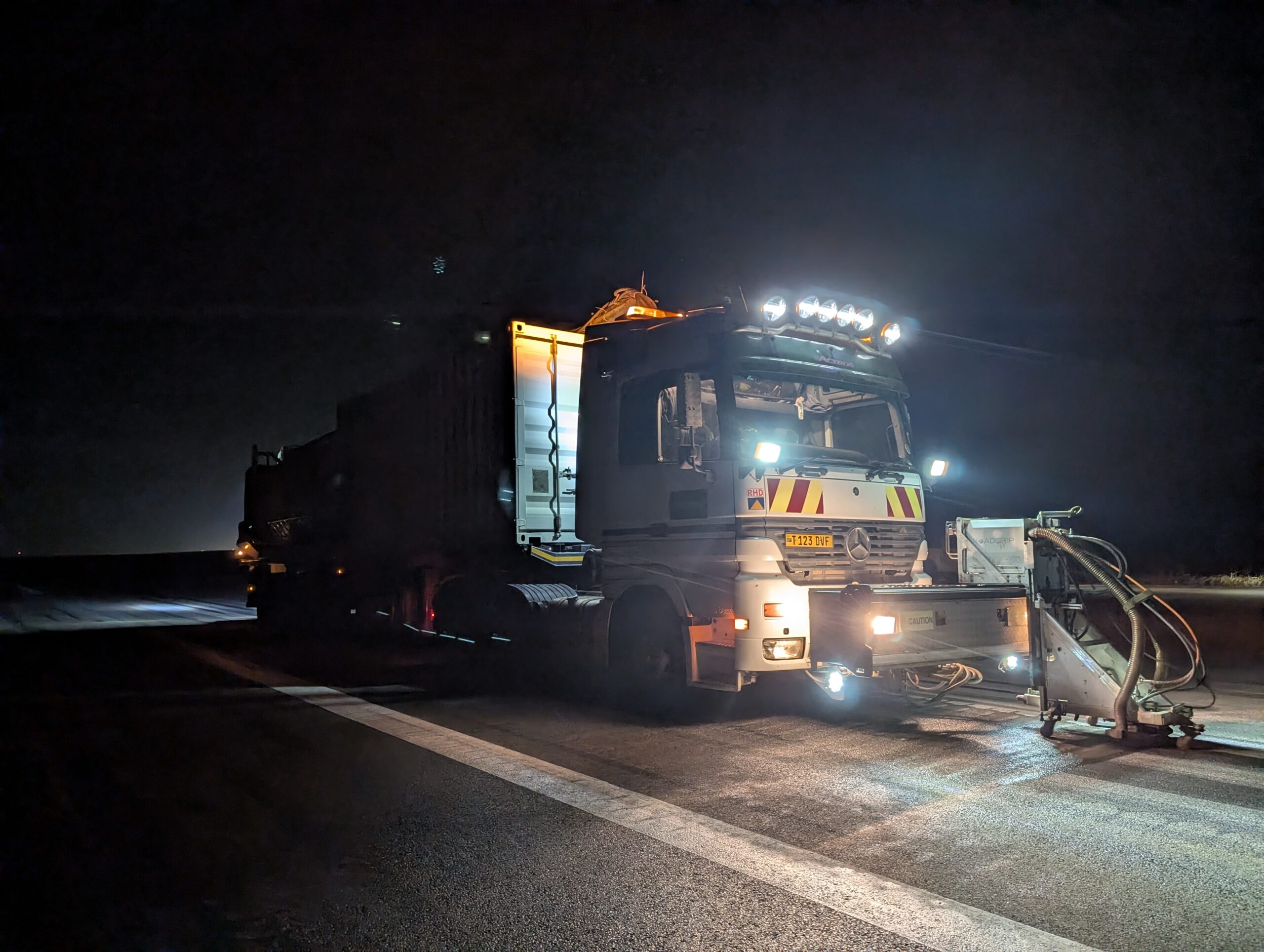
For the latest project in Zambia, the Roadgrip Africa team removed approximately 20,000m² of accumulated aircraft tyre rubber from the runway.
Specialist UHP water rubber removal equipment allows deposits to be systematically removed while experienced operators carefully control the process to protect the underlying pavement.
The visual difference can be dramatic. Areas that have gradually become darkened by thousands of aircraft movements reveal the original pavement once again as the rubber is removed.
Roadgrip’s work in Zambia forms part of a much broader commitment to African aviation.
Our teams have worked at airports across the continent delivering specialist runway maintenance services and bringing equipment, experienced operators and technical knowledge to projects with very different operational and environmental demands.
That experience is particularly valuable in a continent as geographically diverse as Africa. The fundamentals, however, remain the same: understand the pavement, use the right equipment and carry out maintenance before surface condition begins to compromise performance.
With over two decades of experience and a strong global reputation, our airports teams understand what is required for each airfield environment. Contact us to learn more.