
Runways are among the most heavily used pieces of infrastructure in the world. Every landing aircraft places immense stress on the asphalt surface through braking forces, tyre friction and weight transfer. Add to this exposure to weather, UV radiation, fuel spills and temperature changes, and it becomes clear why maintaining runway surfaces is such a critical responsibility for airport operators.
Traditionally, the answer to deteriorating asphalt has been resurfacing. However, resurfacing is expensive, disruptive to airport operations and resource intensive.
Increasingly, airports are turning to asphalt preservation treatments such as Rhinophalt as a smarter, more cost-effective way to extend the life of runway surfaces.
Rhinophalt is a penetrative asphalt preservation treatment designed to protect and extend the life of asphalt surfaces before major deterioration occurs. Instead of replacing the surface entirely, Rhinophalt works by penetrating the existing asphalt through micro-cracks and voids, sealing the surface and restoring key binding properties within the pavement.
This process slows down oxidation and ageing, reinforces the bond between aggregate and binder, and prevents water and contaminants from entering the asphalt structure.
In essence, it allows airports to preserve what they already have rather than replace it prematurely.
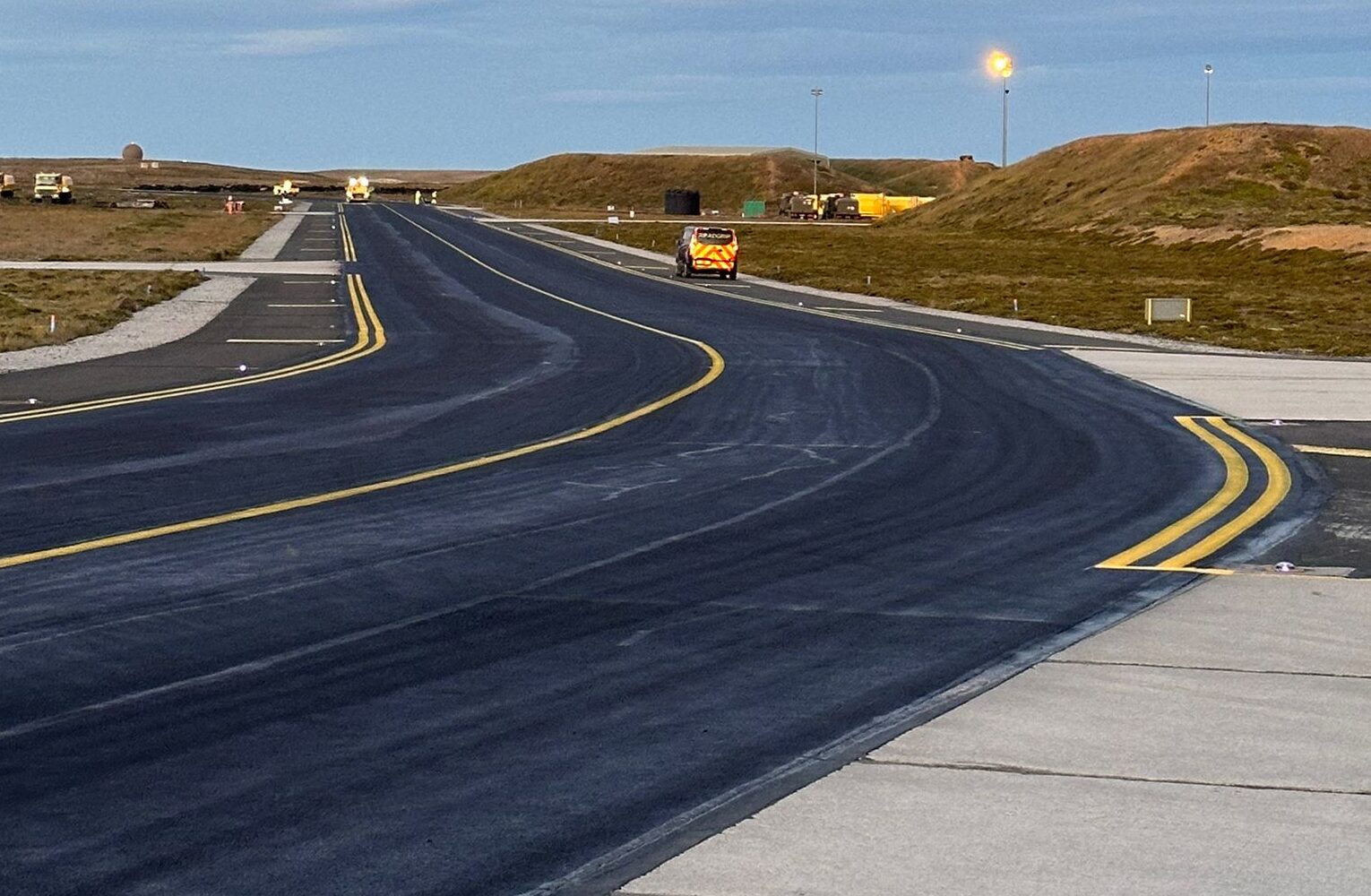
One of the biggest benefits of Rhinophalt is its ability to significantly extend the operational life of asphalt runways.
In many cases, a single treatment can extend pavement life by three to five years before further intervention is required, delaying the need for costly resurfacing works.
Because preservation can be repeated over the life cycle of the pavement, airports can continue extending the service life of their runways while maintaining high safety standards.
In some infrastructure applications, asphalt preservation treatments can double the service life of asphalt surfaces for roughly half the cost of resurfacing, making it a powerful asset management strategy.
For airport operators responsible for large pavement networks, the financial implications are significant.
Runway resurfacing often requires extended closures, complex logistics and substantial financial investment. Preservation treatments offer a far less disruptive alternative.
Rhinophalt can be applied quickly, often during night shifts or short maintenance windows, allowing airports to maintain normal flight operations with minimal disruption. Large areas of runway or taxiway surface can be treated in a single shift, helping airports maintain their infrastructure without affecting passenger schedules or cargo movements.
By delaying major resurfacing cycles and reducing reactive repairs, asphalt preservation can dramatically reduce whole-life maintenance costs.
Beyond cost savings, preservation treatments play an important role in runway safety.
As asphalt ages, the bond between aggregate and binder begins to weaken. This can lead to aggregate loss, cracking and surface deterioration. In an airfield environment, loose aggregate becomes foreign object debris (FOD), which poses a serious risk to aircraft engines and tyres.
Rhinophalt strengthens the asphalt structure and helps prevent this deterioration, significantly reducing aggregate loss. In some cases, airports have reported reductions in FOD sweep findings of up to 90% following treatment, demonstrating the impact preservation can have on operational safety.
By sealing the surface against water ingress and slowing the formation of cracks, preservation also reduces the likelihood of potholes and other defects that could affect aircraft operations.
As sustainability becomes an increasing priority across the aviation industry, asphalt preservation offers a more environmentally responsible approach to infrastructure management.
Compared with traditional resurfacing, Rhinophalt treatments can deliver more than 90 percent reduction in carbon emissions, largely because they avoid the need for large volumes of new asphalt materials and heavy construction processes.
By extending the life of existing surfaces, airports can reduce resource consumption, waste and the environmental impact associated with repeated reconstruction cycles.
Modern airport infrastructure management is shifting from reactive repairs to preventative maintenance strategies. Instead of waiting for runways to deteriorate to the point where resurfacing becomes unavoidable, preservation treatments allow operators to intervene earlier and maintain pavement performance over time.
Rhinophalt fits naturally into this preventative approach. By protecting asphalt surfaces before major damage occurs, airports can maintain safety, reduce operational risks and significantly improve long-term asset value.
For many airports around the world, asphalt preservation is now an essential part of runway maintenance planning.
Because when it comes to runways, protecting the surface you have is often the most efficient way to ensure it performs for years to come.
Our Airports division supports airports large, small and remote around the world. Contact us to discuss your airfield maintenance or visit Roadgrip Airports to learn more about our services.